
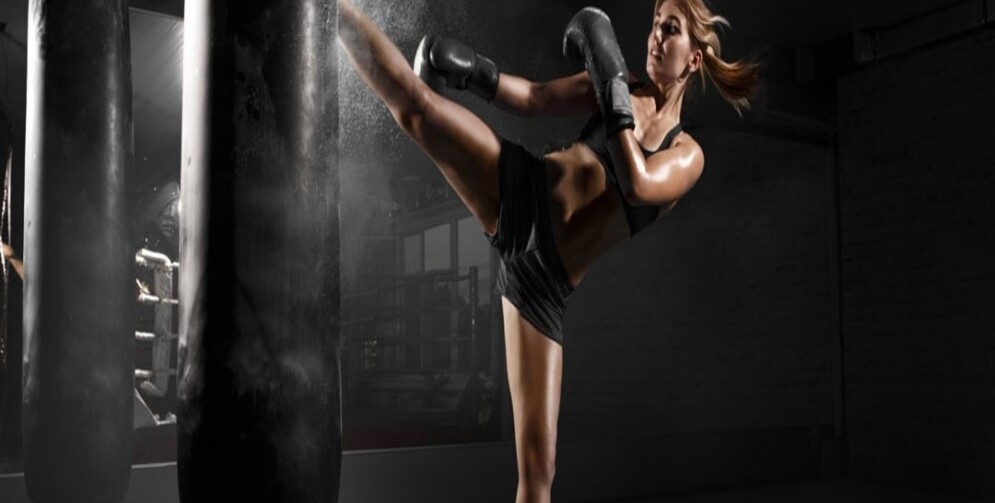
Many people take their first steps into the world of kickboxing through fitness classes. It’s a fun, highenergy way to burn calories, build confidence and get in shape without needing any previous experience. Cardio kickboxing is accessible, friendly and motivating, which is why so many people fall in love with it. But after a few months of classes, a common question starts to pop up: What’s next? Can I take this further? How do I move from cardio kickboxing to real kickboxing techniques, combinations and maybe even sparring?
If you’ve felt that spark the desire to go beyond the workout and develop actual fighting skills you’re not alone. Many students eventually reach a point where they’re ready to explore the technical side of kickboxing. They want to punch cleaner, kick harder, move with purpose and understand the strategy behind the sport. The good news is that transitioning from cardio kickboxing to real kickboxing is absolutely possible, and the shift can be incredibly rewarding.
In this guide, we’ll walk through what that transition looks like, what to expect, how to prepare your body and mindset, and how to build real kickboxing fundamentals safely and progressively. Whether you’re considering your first technical class or you’re already dipping your toes into partner drills, this article will help you understand how to take the next step with confidence.
recommended: 10 Powerful Benefits of Boxing for Your Health
Understanding the Difference Between Cardio Kickboxing and Real Kickboxing
The first thing to know is that cardio kickboxing and real kickboxing share the same roots, but they aren’t the same experience. Cardio kickboxing is designed around movement, conditioning and rhythm. You’ll throw plenty of punches and kicks, but the emphasis is on fitness and flow rather than technical precision or power development. The goal is to keep your heart rate high and your body engaged, and it works beautifully for that purpose.
Real kickboxing, on the other hand, is a combat sport built around striking mechanics, timing, balance, defense and strategy. The focus shifts from burning calories to learning how to strike efficiently, move intelligently and control distance. Instead of shadowboxing to the beat of music, you begin to pay attention to foot placement, weight transfer, hip rotation and guard position. Everything becomes more intentional, and every movement has a purpose beyond exertion.
Neither style is “better” than the other; they simply serve different goals. Cardio kickboxing is an amazing entry point because it develops your stamina, coordination and comfort with basic movements. Real kickboxing builds skill, technique and long term progression. The transition between the two is natural once you start noticing details and wanting to improve them.
Building the Right Mindset for Technical Training
Before you step into more technical kickboxing sessions, it’s important to understand that the mentality is different. In cardio classes, the goal is to push hard and have fun. You can make mistakes without consequences because movements are performed into the air or onto bags without heavy impact. In technical kickboxing, you learn through repetition, correction and precision. Progress might feel slower at first because you’re breaking old habits and learning new ones.
This mindset shift is essential. Real kickboxing rewards patience. You may find yourself pausing more often to adjust your stance or correcting the angle of your foot instead of rushing through combinations. The goal isn’t simply to hit harder; it’s to hit correctly. And hitting correctly requires a foundation.
Another part of the mindset transition is understanding that frustration is normal. Everyone’s first attempts at “real technique” feel awkward. Your kicks will feel lower than in cardio classes. Your punches may feel slower because you’re learning to tighten your form. Instead of seeing this as a setback, think of it as rebuilding with intention. The more solid your fundamentals, the more advanced you can become later.
Solidifying Your Stance and Footwork
One of the biggest changes beginners notice when transitioning from cardio kickboxing to real kickboxing is how important stance and footwork are. In cardio classes, you’re often moving freely with relaxed footwork because the objective is constant activity. In real kickboxing, your stance becomes the anchor of everything you do. It dictates your balance, your power, your defense and your ability to move efficiently.
A proper kickboxing stance feels grounded and ready. Your feet are angled for mobility rather than choreography. Your hips, knees and shoulders line up in a way that allows you to defend yourself while generating real force. At first, this stance may feel less dynamic than the freer movements of fitness classes, but it creates a foundation for authentic striking technique.
Footwork drills help you maintain balance while advancing, retreating and pivoting. This is where beginners start feeling the difference between “moving around” and “moving with purpose.” When you start to understand distance, angling and positioning, your striking begins to transform. Techniques that once felt random or instinctive become structured and controlled.
Developing Real Striking Mechanics
The biggest technical jump you’ll experience in this transition is learning how to strike with real mechanics. In cardio classes, punches and kicks move quickly and often rely on arm or leg strength. In real kickboxing, power comes from the entire body, especially the hips, core and legs. Each strike is rooted in technique, not momentum.
For example, a proper cross involves rotating your back foot, engaging your hips and transferring your weight into the punch. A real roundhouse kick uses your hips like a whip, not just your leg swinging upward. Even simple jabs change dramatically when you learn how to snap them with speed and accuracy instead of throwing them loosely for cardio rhythm.
The shift also includes understanding optimal angles. You learn how to align your wrists on impact, how to keep your chin protected, how to retract your strikes quickly and how to use your guard effectively. The result isn’t just better power. It’s efficiency. You’ll find that you can hit harder with less effort because your mechanics are working for you rather than against you.
Introducción to Defense and Partner Drills
One of the most exciting parts of transitioning to real kickboxing is the introduction of defense. In cardio kickboxing, you rarely focus on blocking, parrying or evading because there’s no opponent involved. In technical classes, you start learning how to protect yourself while remaining balanced and ready to counter.
Defense drills teach you to think strategically. You learn how to slip punches by moving your head just enough to avoid contact. You practice checking kicks, lifting your leg at the right angle and timing to absorb impact safely. You begin to understand that defense is not passive it’s a tool that sets up your offense.
Partner drills also become part of your journey. They may feel intimidating at first, especially if you’ve only hit bags before, but they are essential for developing timing and reaction skills. These drills are controlled and safe, focused on technique rather than force. You learn how to read another person’s movement, adjust your distance and stay calm under pressure.
Understanding Light Sparring (When You’re Ready)
Sparring is the part most beginners ask about, and also the part that requires the most respect. Light sparring is not about hitting hard or proving toughness. It’s a learning tool that builds awareness, timing, distance control and confidence. Nobody should ever rush into sparring. It comes naturally after developing a solid technical base and after your coach verifies that you’re ready.
In light sparring, the emphasis is on flow. You’re not trying to overwhelm your partner; you’re trying to exchange controlled techniques while staying composed. The first few rounds often feel chaotic, but as you gain experience, you begin to slow things down mentally. You start to see openings, anticipate movements and understand how different techniques work against a moving opponent.
This part of the journey teaches invaluable lessons about humility, respect and growth. It also builds a sense of camaraderie with peers, because sparring is a cooperative challenge. You’re both learning, both improving and both supporting each other through the process.
Conditioning for Technical Kickboxing
Your cardio kickboxing background already gives you a huge advantage: you have stamina. But real kickboxing requires a different type of conditioning. Instead of constant high tempo movement, you need explosive power, core strength, leg stability and muscular endurance. Holding a proper guard for several rounds, throwing technically correct kicks and maintaining footwork all demand new forms of conditioning.
This doesn’t mean you need to abandon cardio conditioning. It means you complement it. Strength training becomes more specific. Core exercises take on new importance because they stabilize your body as you rotate through strikes. Leg conditioning helps you maintain balance during kicks and withstand incoming strikes. Interval training mirrors the pace of actual rounds, preparing you for bursts of intensity.
The goal is not to become the strongest person in the gym. It’s to build a body that supports efficient technique. Exercise and fitness help improve your physical condition, and your technical performance improves naturally.
Choosing the Right Gear for Real Kickboxing
Moving into technical kickboxing requires proper gear. While cardio classes may only require gloves, real kickboxing introduces equipment designed for impact, safety and control. Gloves with better wrist support help protect your hands during partner drills. Shin guards are essential once you start practicing kicks with partners. A mouthguard is mandatory for any form of sparring or contact drill.
Good gear does more than protect you; it builds confidence during training. When you know you’re properly equipped, you relax, focus more on technique and allow yourself to progress gradually without fear. Having your own gear also helps maintain hygiene and consistency, both of which matter as you train more seriously.
Staying Patient and Enjoying the Process
The transition from cardio kickboxing to real kickboxing is a journey, not an overnight change. Some days you’ll feel like everything is clicking; other days you’ll feel like you’re learning from scratch. This is normal. Every striker beginner or advanced revisits the fundamentals constantly.
The most important thing is to enjoy each step. Technical training opens a world of depth and discovery. You’ll feel your body moving more intentionally. You’ll hit cleaner, not just harder. You’ll understand what your coaches mean when they talk about “finding your rhythm.” And you’ll build confidence not just physically but mentally.
Real kickboxing connects you to discipline, creativity and self growth. Once you begin this path, you’ll never look at kickboxing the same way again and that’s part of what makes it so rewarding.
Your Next Step Starts Now
Transitioning from cardio kickboxing to real kickboxing is one of the most exciting evolutions you can experience in your training. You don’t have to be an athlete or a fighter. You just need curiosity, patience and the willingness to learn. Cardio kickboxing gave you a foundation. Now you can build on it with technique, footwork, defense, awareness and controlled sparring.
This journey can reshape not only how you move, but how you think and how you carry yourself. It builds discipline, resilience and awareness. And the best part is that you don’t have to rush. Your progress unfolds at your pace, and every step adds depth to your skills.
Whenever you feel ready to take that next step, technical kickboxing will be waiting for you with all its challenges, rewards and breakthroughs. And once you begin, you’ll realize that the transition isn’t just a change in training style. It’s the beginning of a more purposeful, skill driven version of your practice.