
Origins and evolution of HIIT
Interval training traces back to athletes in the 1950s who alternated intense sprints with recovery to build speed and endurance. The technique became widely known when Japanese exercise scientist Izumi Tabata studied Olympic speed skaters. Tabata’s 1996 protocol involved eight rounds of 20‑second all‑out efforts followed by 10‑second rests and produced significant gains in aerobic and anaerobic capacity. Over time, interval training evolved into HIIT, a flexible method where participants work at 80–90 percent of their maximum heart rate with short recovery periods. HIIT classes can be performed using body‑weight exercises, running, cycling or combinations of kicking and punching movements, making them ideal for busy people who crave variety.
Growth of group classes
HIIT became a top fitness trend partly because of group formats such as KICK n HIIT. The American College of Sports Medicine predicted group fitness classes would be one of the top three industry trends in 2020. Nearly 40 percent of regular exercisers participate in group sessions, and people enjoy them because the communal energy helps them work harder and stay committed. Structured programs like CrossFit, Tabata circuits and boutique gym classes have helped spread HIIT to gyms worldwide. At TTF Kick Punch Lift, you’ll find variations such as KICK n CARDIO and KICK n CORE that blend boxing, functional training and heart‑pumping intervals.
How a group HIIT class works
Group HIIT sessions deliver a time‑efficient full‑body workout. A typical class lasts 20 to 45 minutes, plus warm‑up and cool‑down. The routine varies but generally follows this structure:

- Warm‑up: Classes begin with light cardio and dynamic stretching to raise your heart rate and mobilise joints. Movements include jogging, jumping jacks, arm circles and hip rotations. A proper warm‑up primes your body for the intense bursts ahead and reduces injury risk.
- Intervals: Participants cycle through short bursts of higher‑intensity exercise (20 seconds to a few minutes) and active recovery of equal or slightly longer duration. Exercises may include sprints, burpees, mountain climbers, punching and kicking combinations or weighted movements. Coaches encourage you to reach 80–90 percent of your maximum heart rate during the hard intervals while maintaining good form.
- Rest periods: Active recovery periods involve walking, slow jogging or gentle movements. These intervals allow your heart rate to drop before the next burst and teach your body to recover efficiently.
- Cooldown and stretching: The session ends with stretching and mobility exercises to help return your heart rate to baseline and reduce soreness. Class instructors also offer breathing techniques to promote relaxation and mental focus.
Technique, stance and safety
In boxing‑inspired HIIT classes, you’ll learn fundamental striking techniques and stance. Keep your feet shoulder‑width apart, knees slightly bent and your hips engaged. Rotate your torso and drive from your legs when punching or kicking. Maintain a guard to protect your face and exhale sharply during strikes for power and rhythm. Always listen to your instructor and modify the intensity if you’re new or recovering from injury. A good coach will offer beginner‑friendly options and remind you to hydrate and rest when needed.
Benefits of HIIT

HIIT offers a range of physical and mental benefits, especially when performed in a supportive group environment:
Calorie burn and metabolism
Short bursts of high‑effort exercise elevate your heart rate and oxygen consumption more than moderate continuous exercise. Studies show HIIT can burn more calories than slower workouts in the same timeframe. Because your metabolism stays elevated for hours afterward, you continue to burn calories even after class ends. This makes HIIT highly effective for fat loss and weight management.
Cardiovascular and metabolic health
HIIT improves heart health by repeatedly raising and lowering your heart rate, which strengthens your cardiovascular system. Regular high‑intensity intervals can reduce high blood pressure and improve insulin sensitivity, making HIIT beneficial for people with type 2 diabetes or prediabetes. Even sessions as short as 20 minutes performed two or three times per week yield significant gains in aerobic fitness and metabolic health.
Strength, power and endurance
HIIT engages multiple muscle groups simultaneously, helping you build functional strength and power. Exercises such as jumping squats, lunges, burpees and punching combinations target the legs, core and upper body. According to researchers, HIIT workouts increase both aerobic capacity and anaerobic power. As you push harder during intervals and recover during rest, your muscles learn to produce energy efficiently, improving endurance for everyday activities and sports.
Mental and cognitive benefits
High‑intensity exercise triggers the release of endorphins and other neurotransmitters that elevate mood and reduce stress. Harvard experts report that short bouts of vigorous exercise can be more enjoyable and motivating than moderate steady‑state workouts. The mental challenge of pushing through tough intervals also improves focus and mental resilience. Some research suggests that regular exercise increases brain volume and enhances memory and thinking skills, supporting long‑term cognitive health.
Group training benefits
Exercising alongside others offers unique advantages. A study published in the Journal of the American Osteopathic Association found that participants in a 12‑week group exercise program experienced a 26 percent reduction in stress and significant improvements in mental, physical and emotional quality of life. Another study from the University of Missouri reported that older adults in a group strength‑training program saw improvements in muscle strength, flexibility, balance, sleep and self‑confidence while lowering the risk of falls. Researchers at Manchester Metropolitan University discovered that exercising with others creates a sense of belonging and social interaction, which boosts overall wellbeing and mental health.
The College of Health and Human Sciences at Iowa State University highlights that nearly 40 percent of regular exercisers participate in group fitness classes, and social support influences people’s attitudes and motivation to exercise. Exercising with others can increase intrinsic motivation, provide accountability and foster a sense of mastery, making it more likely you’ll stick with a routine. Simply put, sharing HIIT sessions with friends or classmates makes the hard work feel fun and helps you maintain healthy habits.
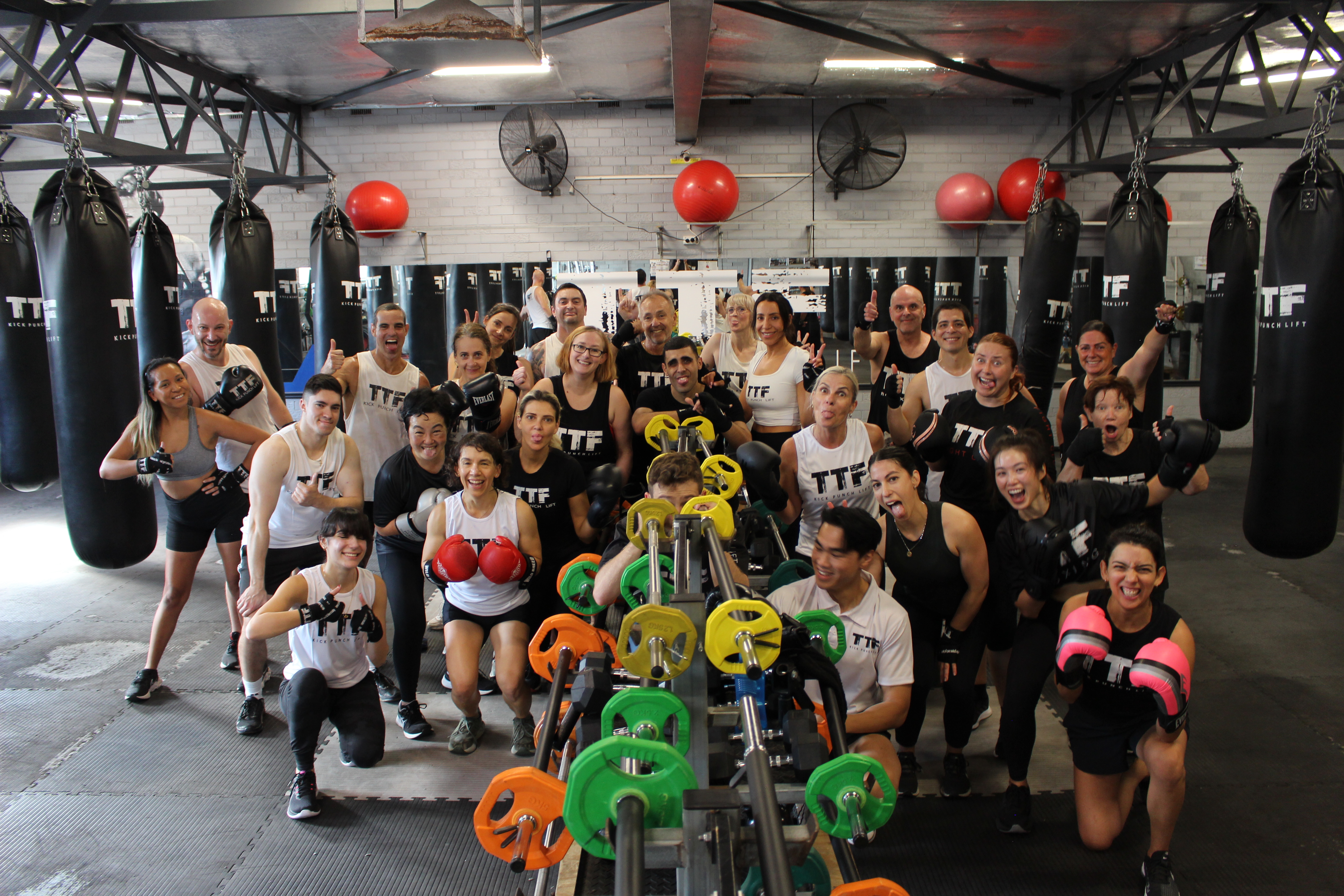
Our HIIT and interval classes at TTF Kick Punch Lift
At TTF Kick Punch Lift in Torrensville, we offer several group classes that harness the power of HIIT:
- KICK n HIIT: Our signature class combines explosive kicking techniques with slick striking movements. You’ll work at 80–100 percent of your maximum effort with plenty of rest intervals. It’s a challenging yet accessible workout for all levels.
- KICK n CARDIO: This steady‑state class focuses on long, rhythmic punching and kicking combinations performed at moderate intensity. It’s ideal for building aerobic endurance and can complement your HIIT workouts.
- KICK n BUTT: A lower‑body focused session that alternates high‑intensity kicking drills with glute and leg‑toning exercises. Perfect for strengthening the posterior chain and enhancing stability.
- KICK n CORE: This class pairs short cardio intervals with core‑centric movements like planks, Russian twists and medicine ball slams, helping you build a solid midsection.
You can explore all classes and book your trial on our classes page.
Safety tips and progression

While HIIT is effective and time‑efficient, it’s important to train safely:
- Start gradually: Ease into HIIT if you’re new to exercise or returning after a break. Begin with one or two intervals at moderate intensity and build up over several weeks. Performing HIIT 2–3 times per week is sufficient.
- Warm up and cool down: Spend at least 10 minutes warming up and cooling down to prepare your muscles and reduce risk of injury.
- Listen to your body: HIIT should feel challenging but not painful. If you feel dizzy, light‑headed or overly fatigued, reduce the intensity or rest. Always consult a healthcare professional if you have medical conditions.
- Use proper equipment: Wear supportive shoes and comfortable clothing, and have access to water and a towel. For home workouts, use a timer app to track intervals and rest periods.
- Buddy up: Working out with a friend or group increases accountability and enjoyment. Cleveland Clinic experts note that people are more consistent and successful when they exercise with someone else.
As you progress, gradually increase the number of intervals or length of work periods while maintaining good form. Regularly vary your exercises to challenge different muscle groups and prevent plateaus. Over time, you’ll notice improvements in endurance, strength, coordination and confidence.
Conclusion
High‑intensity interval training is an efficient and effective way to improve your fitness, burn calories and boost your mood. When experienced as part of a supportive group, the benefits multiply: stress decreases, motivation rises and friendships form. Whether you’re a beginner or seasoned athlete, HIIT offers scalable workouts that fit into busy schedules and deliver results. Join a KICK n HIIT class at TTF Kick Punch Lift or gather some friends and try a simple interval routine — you might find that pushing through the tough moments together makes the journey more rewarding.
References and further reading
- Cleveland Clinic – HIIT Workouts: It’s for Everyone!
- Harvard T.H. Chan School of Public Health – High Intensity Interval Training
- Harvard Health Publishing – HIT workouts may boost exercise motivation
- American Osteopathic Association – Researchers find group exercise improves quality of life and reduces stress
- University of Missouri – Group exercise boosts physical, mental health for older adults
- Iowa State University – Group exercise may be better than solo workouts
- Manchester Metropolitan University – Exercising in a group can improve your wellbeing