
Training hard feels incredible. There’s a rush in hitting the heavy bag with precision, pushing through a challenging HIIT circuit, or lifting weights that once felt impossible. But somewhere between the sweat, the discipline and the adrenaline, many people forget that progress relies on more than intensity. It relies on recovery. Your muscles, joints, nervous system and even your mindset depend on it. When you mix kickboxing, strength training, cardio and conditioning the way many people train at TTF Kick Punch Lift recovery becomes one of the most important parts of your routine. It’s the foundation that lets you train consistently, avoid injuries, and keep leveling up without burning out.
Recovery is not passive. It’s not just lying on the couch or skipping a session. It’s an active investment in your performance. Every time you strike, lift, sprint or jump, your body adapts and grows but only if you give it the chance to do so. This guide will help you understand recovery in a way that feels practical, achievable and aligned with the style of training you already love. Whether you’re hitting kickboxing classes, building strength during LIFT sessions, or pushing your endurance with cardio, this article will help you train smarter and feel stronger.
Recommended: Kickboxing Strength: The Ultimate Guide to Building Power, Confidence, and Real-World Fitness
Why Recovery Matters More Than You Think
When most people think of training, they picture intensity: fast punches, powerful kicks, explosive lifts, high-energy rounds and that feeling of being completely spent after class. That intensity is valuable, but it leaves micro-tears in your muscles, elevates stress hormones and fatigues your nervous system. Your joints absorb impact during kicks and footwork.
Your core stabilizes everything from squats to roundhouse kicks. Your shoulders take a beating during hooks, presses and push-ups. Without recovery, all of that accumulated stress becomes a barrier. You may feel stiff, sore, slower or unfocused. You may start compensating with poor technique, which increases the risk of long-term injuries.
Recovery gives your body the opportunity to rebuild. It helps your muscles repair, your connective tissues stay strong and your nervous system reset. It’s what enhances your strength, improves flexibility, sharpens technique and protects you from setbacks. When recovery is neglected, progress stalls. When it’s prioritized, performance skyrockets.
Imagine training at your peak, but feeling light, mobile and pain-free every time you walk into the gym. That’s the power of recovery, and it’s something every kickboxer, lifter and HIIT athlete should take seriously.
Mobility and Flexibility
Powerful kicks don’t come only from strength. They come from mobility. The hips must open smoothly, the spine must rotate efficiently, the supporting leg must be stable, and the shoulders must move freely. When mobility is limited, your technique suffers. You may throw a kick with less height, less control or more strain. Over time, tight hips or hamstrings pull your posture out of alignment and increase the risk of injury during high-impact or rotational movements.
The same idea applies to strength training. Squats require ankle mobility, hip stability and a spine that behaves like a solid pillar. Deadlifts require coordinated movement between the hips and hamstrings. Pressing overhead demands healthy shoulder mobility. When mobility is lacking, your lifts feel heavier than they should, and your form becomes inconsistent.
By improving mobility and flexibility, you build a body that moves with ease. You unlock better kicks, deeper squats and stronger lifts. You create balance between strength and fluidity, reducing overuse injuries and allowing technique to develop more naturally. For many people, mobility work becomes a turning point. Suddenly they kick higher without forcing it, lift heavier without discomfort, and recover faster after tough classes.
The Importance of Strong Foundations Before Pushing Harder
A lot of athletes, especially those excited about progress, tend to push intensity before building enough stability and flexibility to support it. They jump into high-impact kickboxing combinations or heavy lifts without preparing their body. While enthusiasm is great, the body needs time to adapt. Muscles may grow fast, but tendons, ligaments and joints adapt more slowly. That mismatch can lead to chronic soreness, tightness or recurring pain.
Foundational strength and mobility are what keep you safe. Learning to control your movements, improving the way your joints move, and developing balanced strength across the body are key for long-term training. The better your foundation, the more intensity you can handle and the better you feel doing it.
Strong foundations don’t just protect you from injury. They make your training more enjoyable. Instead of fighting against your own body, you move freely, with confidence and precision. That feeling is addictive, and it’s what keeps people coming back to the gym year after year.
How to Build an Effective Cool-Down Routine After Class
Finishing a kickboxing or strength session and walking straight out the door is tempting, especially when you’re tired or rushing. But the cool-down is one of the best gifts you can give your body. It doesn’t have to be long or complicated. Even five minutes of slow, intentional stretching can make a difference.
A good cool-down balances the body after intense movement. It reduces tightness, increases circulation and helps the nervous system return to a calmer state. Stretching the hips, hamstrings, quads, calves, shoulders and back is particularly helpful for kickboxers and lifters. These muscle groups work hard during most classes, and giving them attention post-workout prevents stiffness and improves flexibility over time.
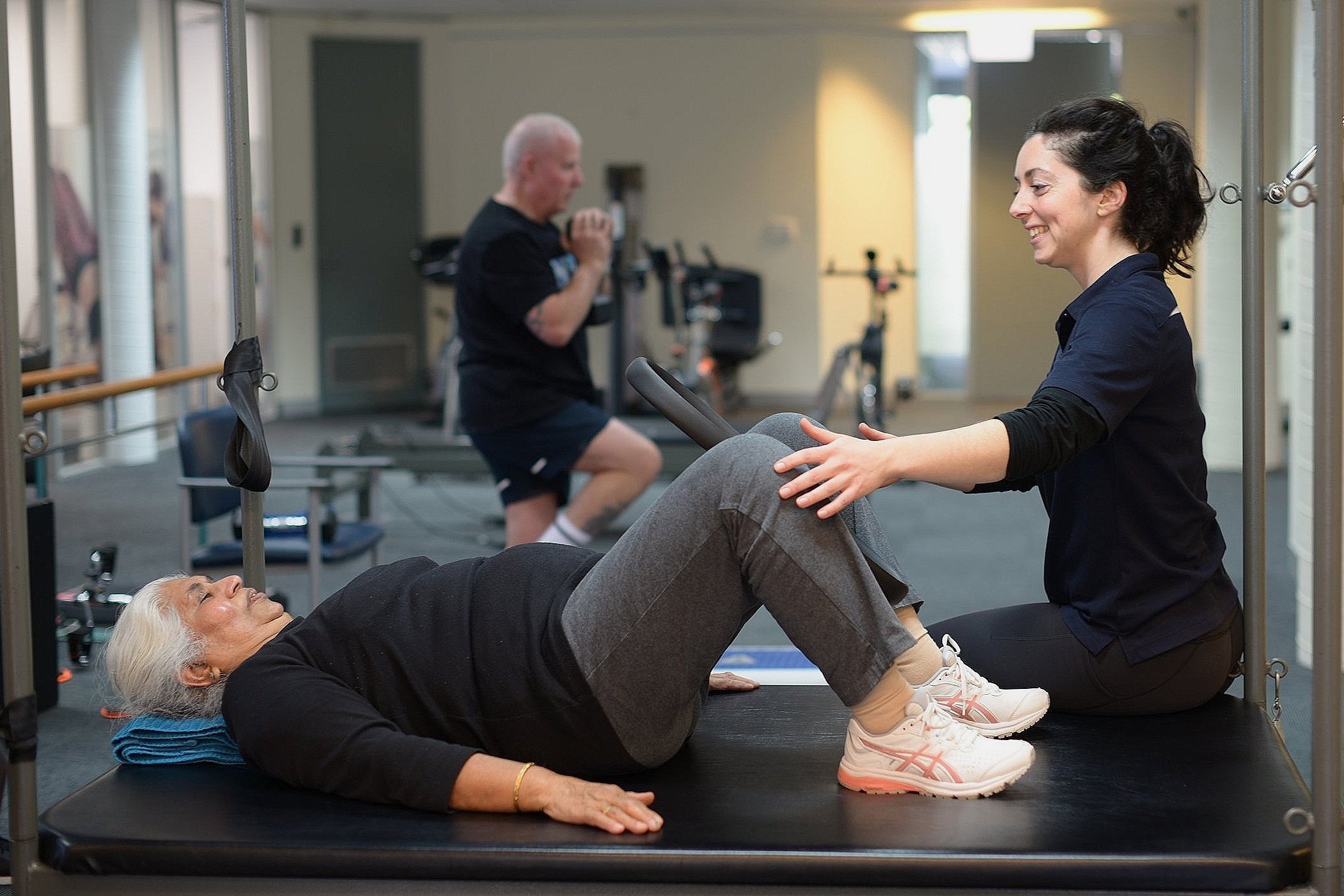
Foam rolling is also a valuable habit. It releases tension in the muscles and fascia, helps clear metabolic waste, and makes the body feel lighter the following day. Whether you’re rolling your quads after heavy squats or your upper back after punching combinations, those few minutes can transform your recovery.
A proper cool-down makes your next workout easier. It reduces soreness, improves mobility and keeps your body ready for whatever comes next.
Active Recovery
Rest days don’t always mean doing nothing. In fact, one of the best ways to recover is through gentle, intentional movement known as active recovery. This includes slow mobility flows, light stretching, low-intensity walking, easy cycling or yoga-like sequences. These activities keep blood circulating, maintain joint mobility and reduce muscle stiffness without stressing the body.
Active recovery also helps you stay connected to your training rhythm. You don’t lose momentum or motivation, but you avoid the strain of a full workout. Your body feels refreshed instead of exhausted. For people who love training, active recovery is a great balance it satisfies the need to move while giving the body the rest it requires.
Consistency is easier when you listen to your body. Active recovery makes that possible.
How Nutrition and Hydration Influence Recovery
You can train perfectly and stretch consistently, but without proper nutrition, recovery falls apart. After intense physical activity, your body depends on protein to rebuild muscle fibers and on carbohydrates to replenish energy stores. Without these nutrients, the body repairs more slowly, progress stalls and fatigue lasts longer.
Hydration is equally important. Kickboxing and HIIT sessions cause significant fluid loss through sweat. Even mild dehydration impacts strength, power, focus and recovery. Water supports every cellular process involved in healing, making it essential for anyone training multiple times a week.
Eating whole foods, prioritizing lean proteins, including complex carbs and staying hydrated throughout the day creates a strong recovery environment. Your muscles feel less sore, your energy stabilizes and your performance becomes more consistent.
Sleep: The Silent Superpower Behind Every Athlete
Sleep is one of the most overlooked components of recovery. During deep sleep, the body releases growth hormone, repairs tissues, restores the brain and balances hormones that affect appetite, energy and motivation. Poor sleep affects everything reaction time, mood, coordination, power output and recovery speed.
Athletes who sleep well aren’t just rested; they perform better in every measurable way. Their kicks are sharper, their footwork is quicker, their lifts feel lighter and their endurance increases. Sleep is not optional if you want long-term progress. It’s one of the most important tools you have.
Even small improvements going to bed earlier, reducing screen time, creating a relaxing routine — can dramatically improve recovery.
Avoiding Overtraining
Training is addictive. When you start seeing results, it’s natural to want to push harder. But more is not always better. Overtraining leads to fatigue, irritability, poor performance, higher injury risk and even decreased immune function. It sneaks up slowly, often disguised as “just being tired.”
Learning to recognize early signs unusual soreness, joint stiffness, poor sleep, lack of motivation, or slower reaction times protects you from bigger setbacks. Resting before you’re forced to rest is one of the smartest moves an athlete can make.
Avoiding overtraining doesn’t mean training less. It means training smarter. It means balancing hard days with light ones, alternating high-intensity sessions with recovery-focused activities and appreciating the long-term journey instead of chasing quick gains.
Integrating Recovery Into Your Kickboxing and Strength Routine at TTF
One of the advantages of training with a variety of styles kickboxing, strength, HIIT, cardio and conditioning is that you can rotate intensity throughout the week. You don’t need to crush yourself every day to improve. Instead, you can build a rhythm that supports consistency.
For example, after a heavy LIFT day, a kickboxing class focused on technique rather than power can be a smart choice. After an intense cardio or HIIT session, choosing a lighter day with stretching, mobility or core work can keep your body balanced. Adding a weekly recovery day where you focus on mobility and movement quality can dramatically improve how you feel during training.
This balanced approach is what keeps athletes going for years instead of months. It protects the body and enhances progress, making every session more enjoyable and effective.
Long-Term Progress
Training isn’t just about the workout itself; it’s about the lifestyle around it. Recovery habits like stretching regularly, sleeping well, eating intentionally and giving your body time to heal become part of who you are as an athlete. These habits don’t replace intensity they enhance it.
When recovery becomes second nature, your training improves. You hit harder. You lift with better form. You move with more control and confidence. You stay consistent instead of dealing with injury cycles or exhausting burnout. Your mindset stays positive because your body feels good. Over time, this balanced approach leads to strength that lasts and skill that continues to evolve.
Recovery is not a break from training. It is training. It’s the invisible work that makes visible results possible.
Conclusion
Kickboxing and strength training push your body in unique and powerful ways. They challenge your muscles, your coordination, your stamina and your mental grit. But the real transformation happens between sessions — in the moments when your body repairs, rebuilds and prepares for the next challenge. Recovery is where strength is created. It’s where mobility improves, injuries are prevented and progress becomes sustainable.
By respecting recovery, you protect your long-term health and elevate your performance. You feel stronger, move better, learn faster and enjoy your training more. Whether your goal is power, endurance, confidence or simply feeling amazing in your body, recovery is the key that unlocks all of it.
Train hard, but recover harder. Your future self stronger, healthier and more capable will thank you every step of the way.